Have you ever seen a wind turbine and wondered how it works? You are not alone.
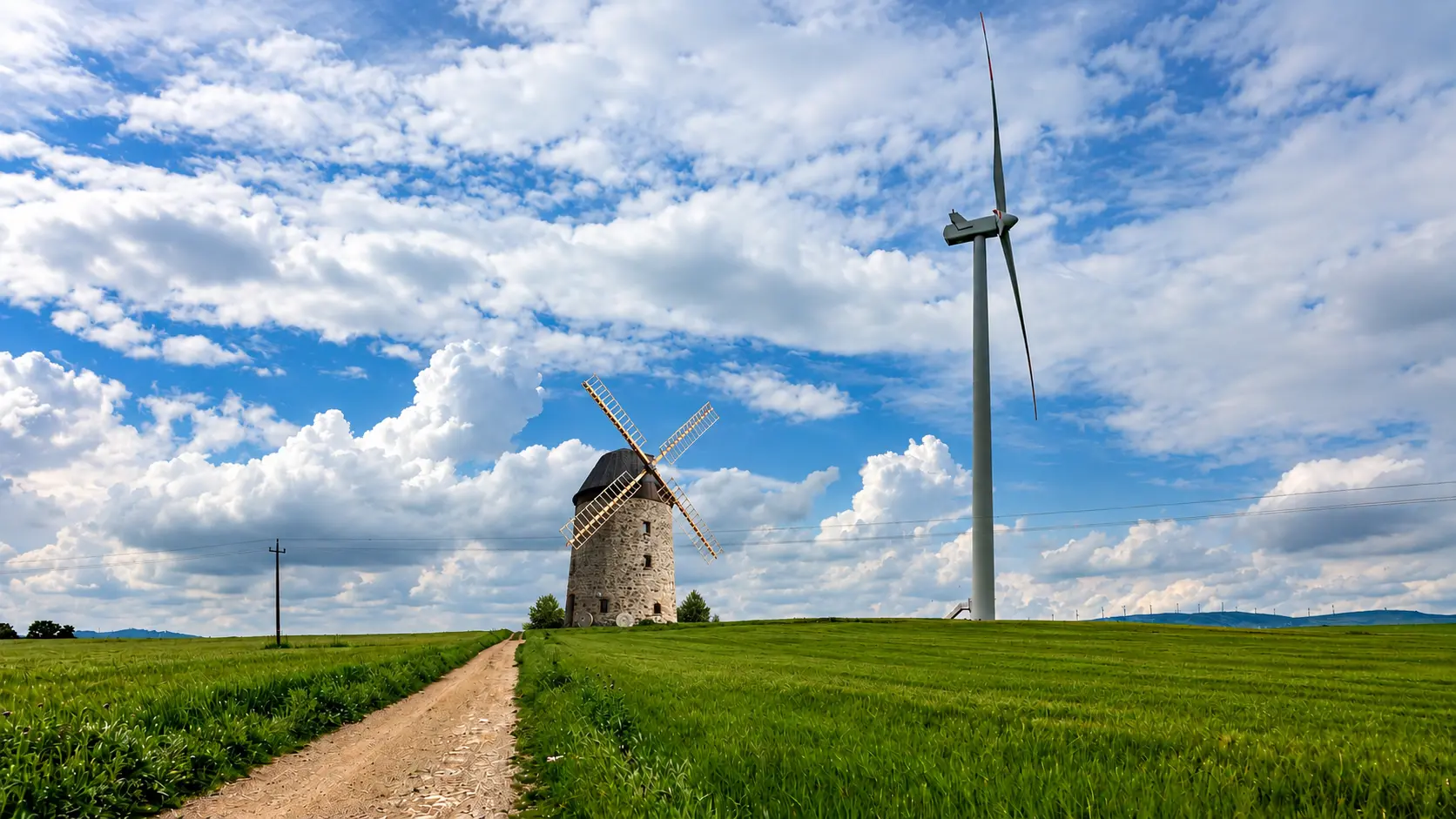
Those huge blades turning in the wind look simple. But there is quite a lot going on behind them. And there is a small difference worth knowing. Traditional windmills were mainly used for jobs such as grinding grain or pumping water. Modern wind turbines use wind to make electricity.
So, if you want to know more about wind mills, wind turbines and wind energy, you are in the right place.
Here are some interesting facts you probably did not know.
Windmills Are Much Older Than You Might Think
Wind power is not a new idea.
People have used the wind for hundreds of years. Traditional windmills helped people grind grain and pump water. The earliest known windmills originated in ancient Persia (modern-day Iran) around the 9th century CE, and may have existed even earlier. These early designs were called panemone windmills, a type of vertical-axis windmill.
Today, the idea is still here. The technology has simply moved on.
Modern wind turbines use the wind to produce electricity. Also, growth in renewable energy generation is just one of the UK Energy Key Trends.
A Wind Turbine is Not The Same as a Windmill
People often use the two words to mean the same thing. They are not quite the same.
A traditional windmill uses wind to do physical work. A wind turbine uses wind to generate electricity.
It is a small difference, but it matters when talking about renewable energy.

DID YOU KNOW?
Renewable energy is also known as green energy. Here’s why.
The Blades Do Not Just Get Pushed by The Wind
This is one of the more interesting facts about wind mills. You might think the wind simply pushes the blades around. There is more to it.
The blades have a curved shape. As air moves around the curved blades, it creates a force called lift. This lift makes the blades turn, and the rotating blades help generate electricity.
So, the blades are doing a lot more than simply catching the wind.
Why Do Most Turbines Have Three Blades?
Take a look at a modern wind turbine. Most have three blades. There is a good reason for that.
Three blades give the turbine a good balance between stability and performance. The design also helps reduce vibration. It is a simple-looking design, but getting it right takes a lot of engineering.
Quick check: Next time you see a wind turbine, count the blades. You will probably find three.
Some Wind Turbine Blades Are Incredibly Long
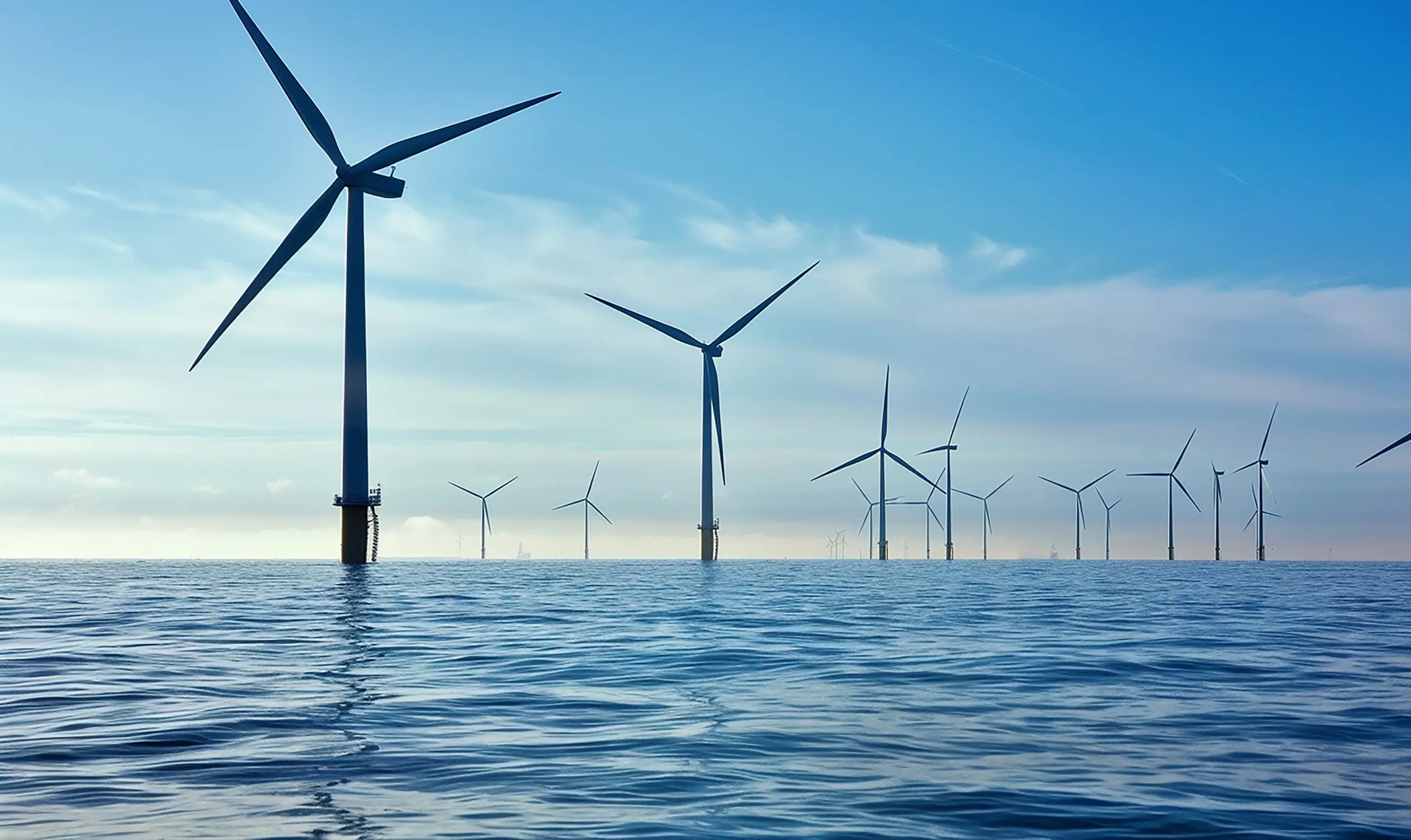
This is easy to miss when you see a wind farm from far away. Modern turbines can be enormous. Some offshore turbines have blades that stretch for more than 100 metres.That is longer than a football pitch.
Imagine trying to transport and install one of those huge blades at sea. It gives you a real sense of just how massive modern wind turbines are.
The UK is Producing More Power From Wind and Other Renewables
Here is a recent UK fact.
The Department for Energy Security and Net Zero reported that electricity produced from wind, solar and hydro rose by 8.1% in 2025, reaching a record level. Wind is a big part of that story.
The UK has invested heavily in both offshore and onshore wind. And this is not slowing down.
See Onshore Wind and Solar Cost & Technical Assumptions, 2025
Offshore Wind is a Big Deal For The UK
Why put turbines out at sea?
Simple.
There is plenty of open space, and wind conditions can be good.
The UK Government’s 2025 Onshore Wind Strategy and its wider clean power plans also show how important wind is becoming to the country’s energy system.
The Government’s 2025-26 annual report says the latest renewable auction in early 2026 secured 8.4 GW of offshore wind overall. That is a lot of new wind power.
Wind Turbines Can Stop Turning
Here is something many people get wrong.
A turbine does not have to spin all the time. Sometimes there is not enough wind. Sometimes there is too much wind.
A turbine can also stop when it needs maintenance or when there are other reasons affecting its operation. So, if you see a turbine standing still, do not immediately assume something is wrong. It may be working exactly as planned.
DID YOU KNOW?Wind turbines have systems that help control the blades when wind conditions change.
The Big Box Behind The Blades Has a Name
Have you noticed the large box sitting at the top of a turbine? That is called the nacelle.
It holds important equipment that helps the turbine turn the movement of the blades into electricity. You can think of it as the working part of the turbine.
The blades catch the wind. The nacelle contains much of the machinery. The tower holds everything up.
Simple enough.
DID YOU KNOW?There are components inside the nacelle including gearbox, generator, controller, yaw system, and brakes. If you have that curious technical tickle inside you, read more about it.
Wind Turbines Can be on Land or at Sea
There are two main types you will hear about:
- Onshore wind – turbines built on land.
- Offshore wind – turbines built in the sea.
Both use the same basic idea. Wind turns the blades. The turbine produces electricity.
The main difference is where the turbines are built. Dig deeper into types of wind turbines.
The UK is Looking at More Onshore Wind Too
Offshore wind gets a lot of attention in the UK. But onshore wind is important as well.
In July 2025, the UK Government published its first Onshore Wind Strategy. It set out plans to support the growth of onshore wind and said the sector could create up to 45,000 jobs by 2030.
That could mean more work for people in engineering, construction and maintenance.
So wind energy is not just about electricity. It can also contribute to the employment opportunities ultimately giving a boost to the economy overall.
Wind Energy Does Not Use Fuel to Make The Wind
This sounds obvious. But it is worth saying.
A wind turbine does not burn coal, oil or gas to create the wind. It uses the wind that is already there. That is why wind is classed as a renewable energy source.
The wind keeps moving naturally. They use technology to capture some of that energy and turn it into electricity.
Wind Speeds Can Change How Much Electricity a Turbine Produces
A windy day does not always mean maximum power.
The amount of electricity a turbine produces depends on several things, including wind speed and the turbine itself. The UK Government published updated research on wind load factors in 2025 to improve how onshore and offshore wind performance is estimated.
In simple terms, more suitable wind does not always mean more power every second. Weather changes. Turbines respond to those changes.
People in The UK Generally Support Renewable Energy
Here is an interesting one.
The UK’s Spring 2025 Public Attitudes Tracker found that 80% of people supported using renewable energy such as wind, solar and biomass.
The Spring 2026 tracker showed support had risen to 81%. Support for offshore wind was 78%, while support for onshore wind was 73%.
So, wind energy is not just an industry topic. It is something many people in the UK support.
The UK’s Journey to Net Zero
The UK is working towards net zero by 2050 – reducing carbon emissions and building a cleaner, more sustainable future. DESNZ and other public authorities continue to guide, monitor and support this journey towards a greener UK.
Wind Turbines Need a Lot of Planning
Putting up a wind turbine is not as simple as finding a windy place.
Developers have to look at things such as:
- Wind conditions
- The local area
- Wildlife
- Roads and transport
- Electricity connections
- Planning rules
- Construction
- Maintenance
There is a lot to think about before a turbine starts turning.
Wind Energy is Helping Change The UK’s Energy Mix
The UK wants to produce more electricity from clean sources. Wind has an important role in that plan.
The Department for Energy Security and Net Zero says all routes towards a clean power system will need large amounts of offshore wind, onshore wind and solar.
That means we are likely to hear a lot more about wind energy in the years ahead.
So, What is The Most Interesting Thing About Windmills?
It is about how much has changed. The basic idea is very old. Use the wind. Make something move. But today’s turbines take that simple idea much farther.
They can stand hundreds of feet above the ground. Some sit far out at sea. Their blades can be longer than a football pitch.
And they can produce electricity for homes and businesses.
One Last Wind Energy Fact
The next time you see a wind turbine, do not just look at the blades.
Look at the whole machine.
- The blades capture the wind.
- The nacelle contains key machinery.
- The tower supports the turbine.
- And the electricity then travels into the wider power system.
It is a simple idea on the surface. But behind it is some very clever engineering.
Final Thought
Windmills have been around for a very long time. Wind turbines are taking that old idea into a new age.
And in the UK, that change is happening right now.
So the next time you see those giant blades turning, you will know there is a lot more to them than meets the eye.