Whether you’re managing a small business or a large commercial site, the UK’s energy system is changing faster than ever. From smarter electricity settlement to rising non-commodity charges and major grid investments, these developments will influence how businesses buy, use, and manage energy in the years ahead.
2026 marks a turning point for the UK’s energy infrastructure. After years of rapid evolution, the sector is entering a new phase driven by digital innovation, infrastructure modernisation, and ambitious decarbonisation goals. Initiatives such as the rollout of Market-Wide Half-Hourly Settlement (MHHS), continued grid investment, and the growing demand from AI-powered data centres are reshaping how electricity is generated, distributed, and consumed.
At the heart of this transformation are real-time energy management, greater system flexibility, dynamic pricing, and data-driven decision-making. Together, these trends are creating a smarter, more resilient, and sustainable energy system for businesses and consumers alike.
Key UK Energy Infrastructure Trends for 2026
- Market-Wide Half-Hourly Settlement (MHHS) rollout
- Rising non-commodity charges
- Grid modernisation investment
- Growth in renewable generation
- AI and digitalisation
- Government-backed energy reforms
The Era of Smarter Settlement is Here
What was once considered a future milestone has now taken centre stage in today’s energy dynamics. The Market-Wide Half-Hourly Settlement (MHHS) will replace the traditional methods, which rely on estimates and averages of overall energy consumption. This requires energy suppliers in the UK to calculate how much energy is consumed by each customer by using the half-hourly electricity consumption insights.
This programme, driven by Ofgem and delivered by Elexon as Senior Responsible Owner, will offer a clear picture of electricity usage across the UK, modernising how electricity is used and reformed.
What MHHS Means for Businesses
- More accurate billing
- Better visibility of energy use
- Easier participation in flexibility schemes
- Greater value from smart meters
- More opportunities to reduce energy costs through demand shifting
MHHS will deliver net benefits ranging from £1.6 to £4.5 billion for energy customers in Great Britain from 2021 to 2045, putting customers at the heart of a fair and more energy-efficient energy system, says Ofgem.
MHHS represents a major milestone in the development of a smarter and more resilient UK energy Infrastructure system. This programme will benefit everyone involved, including customers, energy suppliers, and the energy sector as a whole.
AI is Increasing Electricity Demand
The rapid growth of artificial intelligence (AI) is transforming industries, but it is also creating unprecedented demand for electricity. AI-powered data centres require vast amounts of energy to process, store, and analyse large volumes of data while supporting advanced computing applications. As more organisations adopt AI technologies, electricity consumption from data centres is expected to rise significantly.
This increasing demand is placing additional pressure on the UK’s electricity network, accelerating investment in transmission infrastructure, grid capacity, and smarter energy management systems. It also reinforces the need for greater flexibility within the energy system to balance rising demand with the growing share of renewable generation.
For businesses, this means continued investment in grid modernisation, increasing emphasis on energy efficiency, and greater opportunities to benefit from smart technologies, flexible energy usage, and demand-side response programmes as the UK adapts to a more digital and energy-intensive future.
Rising Non-Commodity Charges
Non-commodity charges are becoming a dominant aspect of UK energy bills, often overshadowing the cost of energy itself. These non-energy costs, which are compulsory charges added to your energy bills, fund the infrastructure maintenance, electricity transmission, and government policies that support the net-zero transition.
To your surprise, these charges now account for up to 60% of your energy bills, largely impacting operational expenses and budget management. Understanding these charges, which account for a significant part of your energy bills, is no longer an option; it has become essential to manage overhead costs.
Why Have Non-Commodity Charges Increased?
The rise in non-commodity charges reflects the UK’s long-term investment in building a cleaner, more secure, and resilient energy system. As the country transitions towards net zero, enormous funding is required to modernise ageing infrastructure, expand electricity networks, and integrate increasing volumes of renewable energy.
At the same time, investment in grid reinforcement and energy security has become a priority to ensure the network can support growing electricity demand from electrification, digital technologies, and emerging sectors such as AI-powered data centres. While these investments strengthen the UK’s energy infrastructure, many of the associated costs are recovered through non-commodity charges included in business energy bills.
Here is a Simple Breakdown to Help You Understand:
Here is a simple breakdown to help you understand:
Grid-related Costs
Policy Levies
Under the Modern Industrial Strategy, the UK is taking significant steps to support energy-intensive industries through the British Industry Supercharger (BIS) and the British Industrial Competitiveness Scheme (BICS – scheduled for 2027) to address rising non-commodity charges.
But here is the catch. This programme only covers a small portion of companies, while the majority of businesses are still affected by rising energy costs.
Proven Decarbonisation Strategies and A Green Reality
The UK energy landscape reflects a strong commitment to increasing reliance on renewable energy and reducing carbon emissions. With ambitious targets of producing 95% clean energy by 2030, the UK is making impressive progress. Acceleration of renewable energy projection, modernisation of grid infrastructure, and development of market reforms lay the foundation for long-term sustainability and pave the way towards a greener future.
-
Development in Energy Infrastructure
Among the UK’s major achievements in the adoption of renewable energy is the launch of the Cleve Hill Solar Park, the largest operational facility in the country. Offshore wind energy remains a cornerstone of decarbonisation, with onshore wind emerging as a cost-effective approach to meet rising demand. At the same time, investments in advanced technologies, including AI-powered maintenance and digital twins, are increasing the efficiency and reliability of the energy systems. The rapid growth of renewable energy has emphasised the importance of grid modernisation, which is addressed by a £28 billion investment package announced by Ofgem. This investment aims to upgrade and strengthen Britain’s energy network, improving energy security and enabling the transmission of more clean energy from renewables.
-
Market Reforms and Policy Initiatives
Beyond infrastructure development, the UK is undergoing a pivotal shift in the energy market. The introduction of Great British Energy (GBE) as a government-backed initiative reflects proactive support for clean energy. Market reforms such as MHHS and revised network levies incentivise more sustainable and adaptable energy use.
By resourcing around 69% of the nation’s energy from renewable energy resources, the UK is steadily moving away from fossil fuels. A powerful signal of the UK’s commitment to decarbonisation and long-term sustainability.
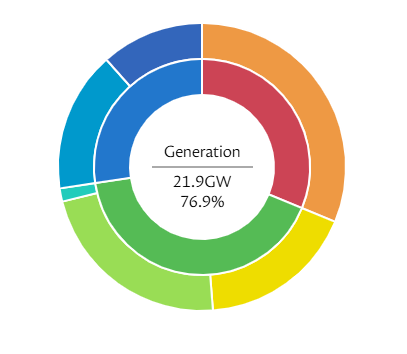
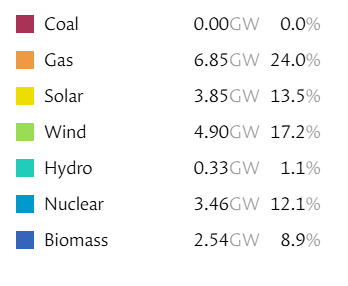
Source: National Grid Live – Dated: 22 – July -26
What This Means for Businesses
The UK’s decarbonisation efforts are creating new opportunities for businesses. Greater renewable energy availability, improved long-term energy security, and a wider range of procurement options are making it easier for organisations to adopt sustainable energy strategies. At the same time, growing ESG expectations and the increasing availability of green electricity contracts are encouraging businesses to reduce their environmental impact while strengthening their long-term energy goals.
Key Organisations Driving the UK’s Energy Transition
The UK’s energy transformation is supported by several key organisations working together to deliver a more stronger and sustainable energy system.
- The National Energy System Operator (NESO) is responsible for operating and balancing Great Britain’s electricity network while planning for future system needs.
- The Department for Energy Security and Net Zero (DESNZ) shapes government policy, driving the UK’s transition to clean energy and long-term energy security.
- Meanwhile, Elexon plays a central role in the electricity market by managing settlement arrangements and leading the delivery of the Market-Wide Half-Hourly Settlement (MHHS) programme.
Together, these organisations are helping to modernise the UK’s energy infrastructure and create a smarter, more flexible electricity system
The Road Ahead
As the year advances, the UK’s energy sector is stepping into a forward-looking era centered on resilience, innovation, and sustainability. The ambition of achieving the net-zero target, coupled with the deployment of smart grids and data-driven strategies, is laying the groundwork for long-term energy security and stability. The future of UK energy lies in a system that not only keeps pace with the change but stays consistently ahead of it.